
Navigating the Heavy Silence of Morning: The Loneliness of Aging
President - Samuel ponnuswamy
12/17/20258 min read

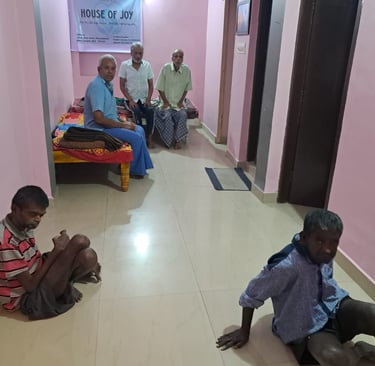
The Heavy Silence of Morning
The morning hours are often heralded as a time of renewal and hope; however, for many elderly individuals, these quiet moments can evoke profound solitude and a sense of emptiness. As the sun rises, illuminating the world outside, the silence within their homes can become almost palpable, accentuating their feelings of isolation. The soft sounds of chirping birds and rustling leaves can serve as reminders of a life that seems distant, one filled with bustling activity and companionship.
This solitude during the early hours can lead to a range of emotions, from sadness to anxiety. For the aging population, many of whom may have lost partners, friends, or family members, mornings can mark another day devoid of connection. The absence of familiar voices or the laughter of loved ones amplifies their loneliness, leading them to confront their stark reality—the prolonged silence can be more burdensome than the noise of an active household.
The early hours may also trigger introspection, where individuals reflect on their past relationships and experiences. Many find themselves reminiscing about days filled with laughter and companionship, only to be met with the harsh contrast of their current solitude. This reflective process, though necessary at times, can increase feelings of melancholy and regret, making the morning silence feel more like a heavy shroud than a tranquil moment to start a new day.
Hence, the heavy silence of morning is not simply a backdrop to the beginning of a day; it embodies the realities of aging, wherein the stillness can amplify what has been lost rather than provide comfort. For these individuals, navigating their mornings requires not only acknowledging the silence but finding ways to fill it—be it through activities, interactions, or community engagement. Such connections can help mitigate the isolation that becomes stark at dawn.
Loss of Routine: A Day Without Structure
The daily routines we establish play a crucial role in providing a sense of purpose and organization to our lives. For the elderly, these routines often revolve around activities such as cooking meals for family members, preparing for work, or even simple tasks like tending to household chores. However, as individuals age and their circumstances change—whether through retirement, the loss of loved ones, or declining health—the familiar structures can dissolve, leaving a void that can be profoundly unsettling.
Without a set schedule, the morning hours can become elongated and disjointed, marked by an unfocused flow of time. The absence of routine can lead to a feeling of disorientation, turning what was once a vibrant part of life into a confusing expanse. Activities that used to mark the rhythm of the day may fade into an indistinguishable sequence of hours, where the line between morning and afternoon blurs, contributing to a sense of purposelessness. When every day begins to feel the same, it can foster feelings of loneliness and despair.
The challenge of constructing a meaningful day without the scaffolding of daily tasks can create not only emotional distress but also cognitive decline, as mental engagement diminishes. Studies indicate that staying mentally active can significantly impact aging individuals' well-being; therefore, lacking a structured day can adversely affect cognitive health. Additionally, the once anticipated morning routines, which brought joy or fulfillment, are replaced by an unsettling silence, further exacerbating feelings of isolation.
This lack of daily structure—often unnoticed by those outside this experience—illustrates a profound aspect of aging. Recognizing and addressing the significance of routine is essential; it underscores the need for connection and the establishment of new patterns that adapt to changing circumstances. Through mindfulness and supportive community interactions, it is possible to create a new daily framework that imbues life with purpose once more.
The Sound of Silence: An Echoing Void
The auditory landscape surrounding us plays a crucial role in shaping our daily experiences, particularly for seniors who may find themselves increasingly isolated. As individuals age, the sounds of laughter, conversations, and daily chatter tend to fade, giving way to a heavy silence. This diminishing auditory stimulation can lead to profound effects on mental health, as the absence of familiar sounds may evoke feelings of loneliness and despair.
This phenomenon of auditory isolation mirrors the concept of 'social hunger,' where the lack of social interaction is compared to physical hunger. Just as the body requires sustenance to thrive, the mind craves social connections and auditory engagement to maintain emotional well-being. The decrease in meaningful interactions, often exacerbated by mobility challenges or the loss of peers, can create an echoing void that negatively impacts a senior's mental state.
Research indicates that loneliness can significantly affect cognitive function and emotional stability. The silence experienced by many elderly individuals can be both literal and metaphorical, encompassing the absence of not only sounds but also the interactions that bring joy and companionship. Engaging in conversations and enjoying shared moments contribute to a robust auditory environment that fosters a sense of belonging and community. Conversely, when these interactions diminish, it may lead to increased feelings of isolation, anxiety, and even depression.
Addressing the effects of auditory isolation necessitates a proactive approach. Encouraging participation in social activities, utilizing technology to connect with loved ones, and fostering community engagement are essential steps in mitigating the impact of this silence. Enriching the auditory landscape can significantly enhance the quality of life for seniors and promote a healthier, more fulfilling aging experience.
The Identity Crisis: Becoming the Invisible Person
The phenomenon of prolonged isolation is a pressing issue among the elderly, contributing significantly to what can be described as an identity crisis. As social interactions diminish, many aged individuals find themselves navigating a reality where they feel increasingly detached from their sense of self. Being around others often reinforces one’s identity through shared experiences and validations. However, when these interactions fade, so too can the vibrancy of one’s identity.
The notion of invisibility becomes all too real for those who once thrived on social engagements. With fewer opportunities for socialization, many older adults experience a sense of being unheard or unrecognized, leading to feelings of worthlessness. This lack of acknowledgement can significantly impact an individual's self-esteem, as they might start to question their relevance and purpose in a world that seems to have moved on without them.
Furthermore, societal perceptions of aging contribute to this crisis. The stereotype of the elderly as frail or incapable can render them more invisible in social contexts, allowing their voices to be marginalized. When people perceive older individuals solely through these narrow lenses, it dehumanizes their experiences, stripping away the rich narratives that come with a lifetime of wisdom and stories. Consequently, older adults may withdraw further, solidifying their sense of isolation and deepening the crisis of identity.
As they grapple with the transition into invisibility, it is vital for caregivers and community members to recognize the profound effects of loneliness. Validating the experiences and feelings of aged individuals can go a long way in counteracting these feelings of detachment. By fostering environments that encourage engagement and connection, society can help restore a sense of identity to those who have been overshadowed by silence.
Coping Mechanisms: Finding Joy in Solitude
As individuals navigate the complexities of aging, mornings can often amplify feelings of loneliness. However, adopting effective coping mechanisms can transform the solitude experienced during these tranquil hours into opportunities for personal growth and joy. One powerful strategy is the practice of meditation. This ancient technique encourages mindfulness, allowing seniors to embrace the present moment without the burden of past regrets or future anxieties. Regular meditation fosters a sense of peace and can significantly reduce feelings of loneliness.
Another enriching practice is journaling. Documenting thoughts and feelings provides an outlet for self-expression and enables elderly individuals to reflect on their experiences. Journaling can enhance emotional well-being, allowing seniors to process their emotions and find clarity. This practice can also serve as a creative endeavor, encouraging individuals to explore their thoughts and memories creatively, leading to a greater understanding of their inner world.
Engaging in hobbies is another effective way to combat loneliness and reclaim a sense of purpose. Whether it is gardening, painting, or even cooking, hobbies provide a productive avenue for self-discovery. They foster creativity and can lead to new social interactions, either within community groups or online platforms. Embracing such activities not only fills the morning hours but also nurtures the mind and soul, establishing a routine that brings fulfillment to one’s daily life.
In summary, through these coping mechanisms—meditation, journaling, and engaging in hobbies—seniors can redefine their mornings. By focusing on personal fulfillment, they can transform solitude into a space for joy and creativity, paving the way to a richer, more meaningful existence.
The Role of Community: Reconnecting with Society
As individuals age, the importance of community involvement becomes increasingly evident. Engaging with local groups, volunteering, or participating in community events can significantly diminish the feelings of loneliness that many seniors experience. A robust social network fosters a sense of belonging and connection, essential for emotional well-being. Communities offer various programs tailored specifically toward older adults, promoting inclusivity and companionship.
Participating in local groups allows seniors to interact with peers who share similar interests and experiences. This interaction not only combats isolation but also enriches life through shared stories, laughter, and support. Community centers, libraries, and senior organizations often host events such as art classes, book clubs, or fitness programs, which serve as excellent avenues for engagement. These activities are designed to cater to the diverse abilities and interests of older adults, thus aiding in social integration.
Moreover, volunteering presents another compelling opportunity for seniors to forge connections. Contributing time and skills to meaningful causes can create a strong sense of purpose and fulfillment. Whether assisting at local charities, mentoring youth, or participating in environmental clean-ups, the act of giving back often engenders feelings of gratitude and acceptance within a community. The relationships developed through such volunteering efforts can lead to lasting friendships that alleviate feelings of loneliness.
Additionally, transition experiences, such as moving to a retirement community, can also be enhanced by active participation in community events. Engaging with fellow residents fosters a more vibrant and supportive atmosphere, reducing the sense of isolation that might accompany such changes. Thus, the role of community involvement is vital for older adults to nurture relationships that foster emotional resilience and a sense of stability in their daily lives.
Conclusion: A New Perspective on Aging
The process of aging is often accompanied by a profound sense of solitude, particularly during the early morning hours when silence seems to envelop the world. This silence, while it can represent loneliness, can also signify a unique opportunity for introspection and self-discovery. As we explore the themes presented in this discussion, it becomes imperative to reassess our understanding of aging and its implications on emotional wellness.
For many, the loneliness that arises in the morning can be a canvas for reinvention, inviting individuals to reflect on their lives, achievements, and desires. Rather than viewing these quiet moments with trepidation, they can be reframed as periods of personal growth and possibility. It is vital to highlight that the challenges of aging do not solely revolve around isolation; they also present a pathway to connect deeply with oneself and explore new dimensions of identity.
Furthermore, fostering connections becomes increasingly important, not only for the elderly but also for those around them. The echoes of solitary mornings should encourage a proactive approach towards community and familial bonds, bridging emotional gaps that loneliness can often widen. Initiatives aimed at encouraging intergenerational interactions can be particularly beneficial, promoting shared experiences and reducing the stigma associated with aging.
Ultimately, as we journey through the silence of the morning, let us embrace both its complexities and its opportunities. Recognizing the richness that can emerge from these quiet moments may significantly alter our perceptions of aging. We invite readers to reflect on their own experiences and consider how they can actively cultivate connections in their lives, enriching not only their own journey but also that of the elderly around them. In doing so, we can transform solitude into solidarity, thus fostering a more compassionate community for all age groups.